
- Recurrent seizures despite medication
- Loss of awareness during seizures
- Sudden jerking movements
- Memory disturbances
- Episodes of confusion or staring spells
LOADING...
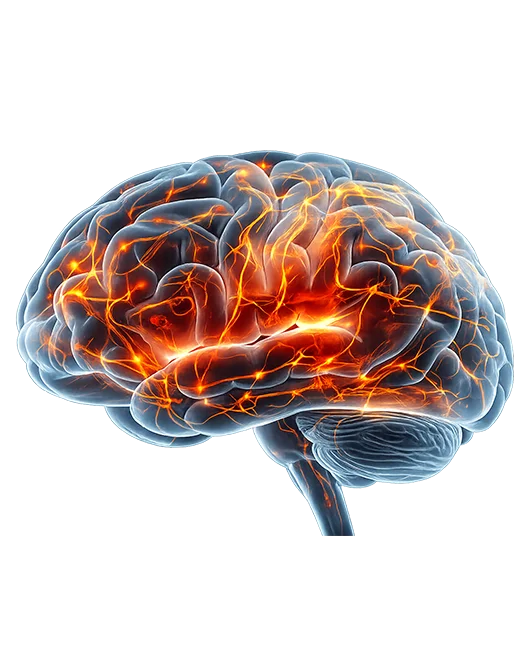
Epilepsy is considered drug-resistant when seizures continue even after trying two or more appropriate anti-seizure medications.
Patients with drug-resistant epilepsy may benefit from advanced evaluation and surgical treatment.
Common symptoms include:
Early evaluation by a specialized neurosurgeon can help determine the best treatment option.
 Comprehensive Epilepsy Evaluation
Before recommending surgery, a detailed evaluation is performed to identify the seizure focus in the brain. This evaluation may include:
This multidisciplinary assessment helps determine whether surgery is safe and effective for the patient.
 Lesionectomy:
Removal of abnormal brain tissue that causes seizures.
Lesionectomy:
Removal of abnormal brain tissue that causes seizures.
 Temporal
Lobectomy: Surgery to remove seizure-generating areas in the temporal
lobe.
Temporal
Lobectomy: Surgery to remove seizure-generating areas in the temporal
lobe. Extratemporal
Resection: Removal of seizure focus outside the temporal
lobe.
Extratemporal
Resection: Removal of seizure focus outside the temporal
lobe. Hemispherectomy:
In selected cases, one hemisphere of the brain may be
disconnected to control severe epilepsy.
Hemispherectomy:
In selected cases, one hemisphere of the brain may be
disconnected to control severe epilepsy.
 Vagus Nerve
Stimulation (VNS): A small device implanted in the chest that
sends electrical signals to the brain to reduce seizure frequency.
Vagus Nerve
Stimulation (VNS): A small device implanted in the chest that
sends electrical signals to the brain to reduce seizure frequency. Deep Brain
Stimulation (DBS): Advanced neuromodulation therapy that regulates
abnormal brain activity.
Deep Brain
Stimulation (DBS): Advanced neuromodulation therapy that regulates
abnormal brain activity. Responsive Neurostimulation (RNS): A device that
detects
abnormal electrical
signals and delivers stimulation to prevent seizures. Benefits of
Responsive Neurostimulation (RNS): A device that
detects
abnormal electrical
signals and delivers stimulation to prevent seizures. Benefits of 


In addition to epilepsy surgery, functional neurosurgery techniques may also be used to treat neurological disorders such as:
Advanced neuromodulation therapies like Deep Brain Stimulation (DBS) and Spinal Cord Stimulation (SCS) help improve neurological function and patient quality of life.
At Gujarat Brain & Spine Clinic, epilepsy surgery is performed using modern diagnostic tools, minimally invasive techniques, and a multidisciplinary approach to ensure safe and effective treatment.
Patients receive:
 Astitva Inc
Epilepsy is a neurological disorder that causes recurrent seizures due to abnormal electrical activity in the brain. While many patients respond well to medications, some continue to experience seizures despite taking anti-epileptic drugs.
In such cases, epilepsy surgery may provide a safe and effective treatment option. At Gujarat Brain & Spine Clinic in Ahmedabad, advanced surgical techniques are used to identify and treat the areas of the brain responsible for seizures.
Epilepsy surgery aims to reduce or completely stop seizures, improve quality of life, and help patients return to normal daily activities.